Physical Address
304 North Cardinal St.
Dorchester Center, MA 02124

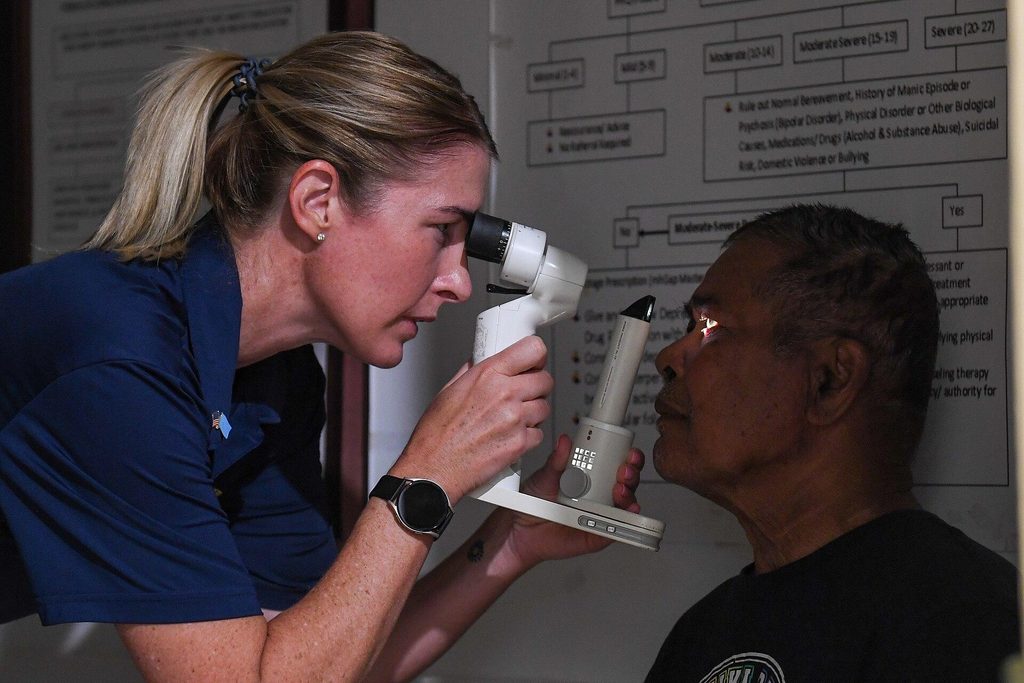
Image by U.S. Navy photo by Petty Officer 1st Class Jacob Allison on Wikimedia Commons · Public domain
An eye appointment is easier to navigate when you can describe why you are going. You might need a routine vision check, want an ongoing symptom assessed, or have questions about a treatment. Those reasons can lead to different conversations and different examinations. Before arranging a visit in Austin, it helps to understand which type of eye-care professional fits your concern, what information to bring, and what you want to learn before you leave.
Begin by identifying what has changed, rather than trying to name a condition. If your glasses no longer seem to work as well, that is useful to say. If an eye feels uncomfortable, note whether the feeling is persistent or comes and goes. If you are considering a procedure, explain what you hope it would address and what you want to understand about the alternatives. A clear reason for the visit helps the office direct your inquiry and gives the clinician a starting point for the examination.
Some concerns should not wait for a routine appointment. Sudden substantial vision loss, severe eye pain, an eye injury, or a chemical splash calls for prompt medical attention. New flashes of light or many new floaters, especially with a shadow or curtain across your vision, also warrant urgent assessment because these can be signs of retinal detachment. If you are unsure how urgently a new symptom needs attention, describe it when you call rather than simply selecting the next available routine visit.
For someone visiting an ophthalmologist in Austin, a useful first step is to match the clinician’s work with the reason for the visit. Look at whether the practice offers the type of care you are seeking, where appointments take place, and how it handles referrals or existing records. If a particular procedure is on your mind, ask what an evaluation involves before assuming that the procedure will be recommended. Access matters too: a location you can reach and a clear way to communicate questions can make follow-up easier.
Your own concern should guide the conversation when you contact any office. State whether you need routine care, an assessment of a symptom, or an evaluation related to treatment, and share any referral information. The staff can then help direct your request to the appropriate appointment type.
“Eye doctor” can refer to professionals with different training. An ophthalmologist is a physician who can diagnose and treat eye disease and perform eye surgery. An optometrist provides primary vision and eye care, including examinations and prescriptions for corrective lenses; the specific services an optometrist may provide depend on applicable law and training. The American Academy of Ophthalmology’s explanation of ophthalmologists can help clarify the physician’s role when you are deciding where to start.
For a routine vision concern, an optometrist may be an appropriate first contact. A known medical eye condition, a question about surgery, or a referral for further evaluation may point toward an ophthalmologist. These are guides, not rigid rules: eye-care professionals often work together, and the right next step depends on your situation. When booking, briefly state your concern and mention any referral you have received. That gives the office a better basis for directing you than a request for a general “eye appointment.”
A short written account of your concern can be more useful than trying to recall details during the examination. Note when a symptom began, whether it affects one eye or both, whether it appeared suddenly or gradually, and whether it has changed. Describe what you actually notice—for example, blur at a particular distance or discomfort at a certain time of day—without feeling you must diagnose it. If you have photographs or notes that show how an intermittent problem developed, ask the office whether they would be helpful to bring.
Bring your current glasses and, if you wear them, information about your contact lenses. Have a list of medications, including eye drops, and be ready to discuss previous eye conditions, injuries, procedures, and relevant health history. If another clinician referred you or you have recent eye records, ask whether those records can be sent ahead. You can also check practical details when scheduling: the address, what records the office needs, and whether your planned examination might include dilation. Preparation need not be elaborate; its purpose is to make your history accurate and leave time for your questions.
There is no single examination sequence for every patient. The clinician may ask about your symptoms and history, check how well you see, and examine structures of the eye. The tests selected depend on the reason for your visit and what the initial findings suggest. A consultation about a persistent symptom may therefore differ from an evaluation for a possible procedure. If you do not understand the purpose of a test, it is reasonable to ask what the clinician is checking and how the result could affect the next step.
Some examinations involve drops that widen the pupils so the clinician can look more closely inside the eyes. A dilated eye exam can temporarily cause blurry near vision and sensitivity to light. Whether dilation is needed depends on the visit. If it is planned, ask the office in advance what to expect afterward and whether you should arrange a ride. Do not assume you will be comfortable driving immediately after the drops; your clinician can advise you based on the examination and your response.
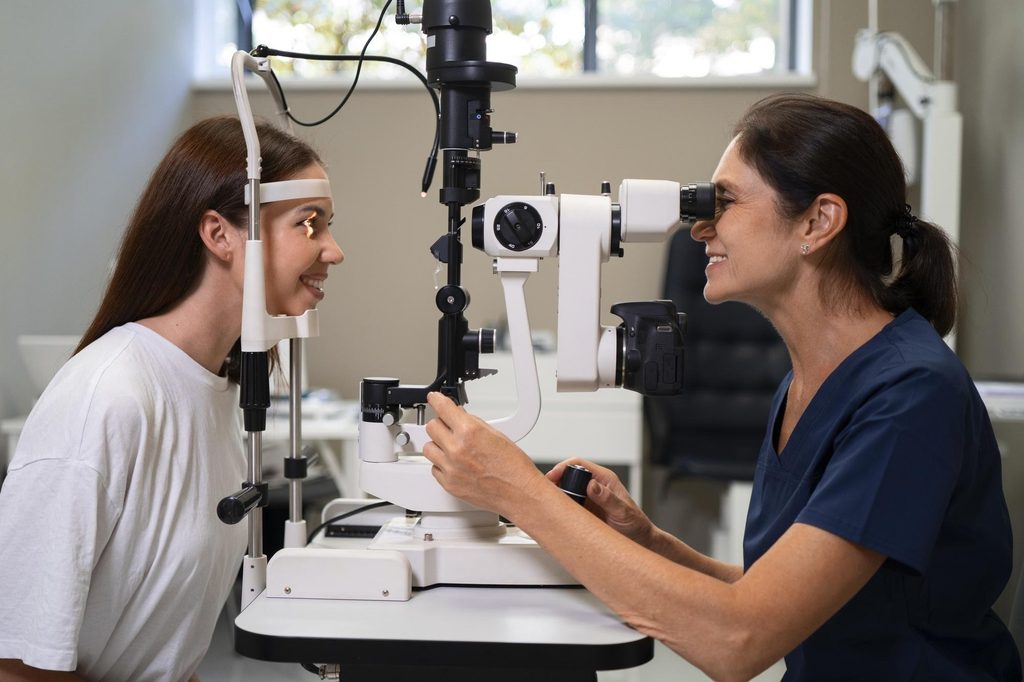
An appointment is more useful when you leave understanding the finding and the plan, not merely the name of a test. You do not need a long checklist. Choose questions that match your reason for coming, and ask for unfamiliar terms to be explained in everyday language. If several options are discussed, ask how they differ for your particular concern rather than assuming the same choice suits everyone. Useful questions include:
Before leaving, confirm whether there are instructions to follow after testing, when a follow-up is appropriate, and how you will receive any outstanding results. If treatment is proposed, make sure you understand its purpose and what the clinician expects to monitor. Writing down the plan—or asking for a written summary—can help you follow it once you are back to your usual routine.
A productive eye visit starts before the examination and ends with a next step you understand. Bring a concise account of your concern, your relevant records and eyewear, and the questions you most want answered. During the visit, ask how the findings relate to the reason you came and what to do if something changes. For a new, severe, or sudden symptom, seek prompt medical assessment rather than waiting for an ordinary appointment. For other concerns, a well-described reason for the visit is a practical way to begin the right conversation.

